





An open pen in the bottom of a bag, a kid with a marker, a leaky cartridge against the lining: ink on leather happens to everyone eventually, and the panic is always the same. The good news is that fresh ink on finished leather often lifts cleanly. The honest news, and the part most guides skip, is that a lot of the advice online will wreck your bag faster than the stain ever could. I’ve seen more leather ruined by a confident “nail polish remover hack” than by the ink itself.
This is the method we stand behind at Hartley, in the order that actually protects the leather: figure out what you’re working with, start with the gentlest thing that can work, and step up only if you have to. Whether you carry a structured briefcase or a soft leather backpack, the sequence is the same, and so is the rule underneath it: do less, more carefully.
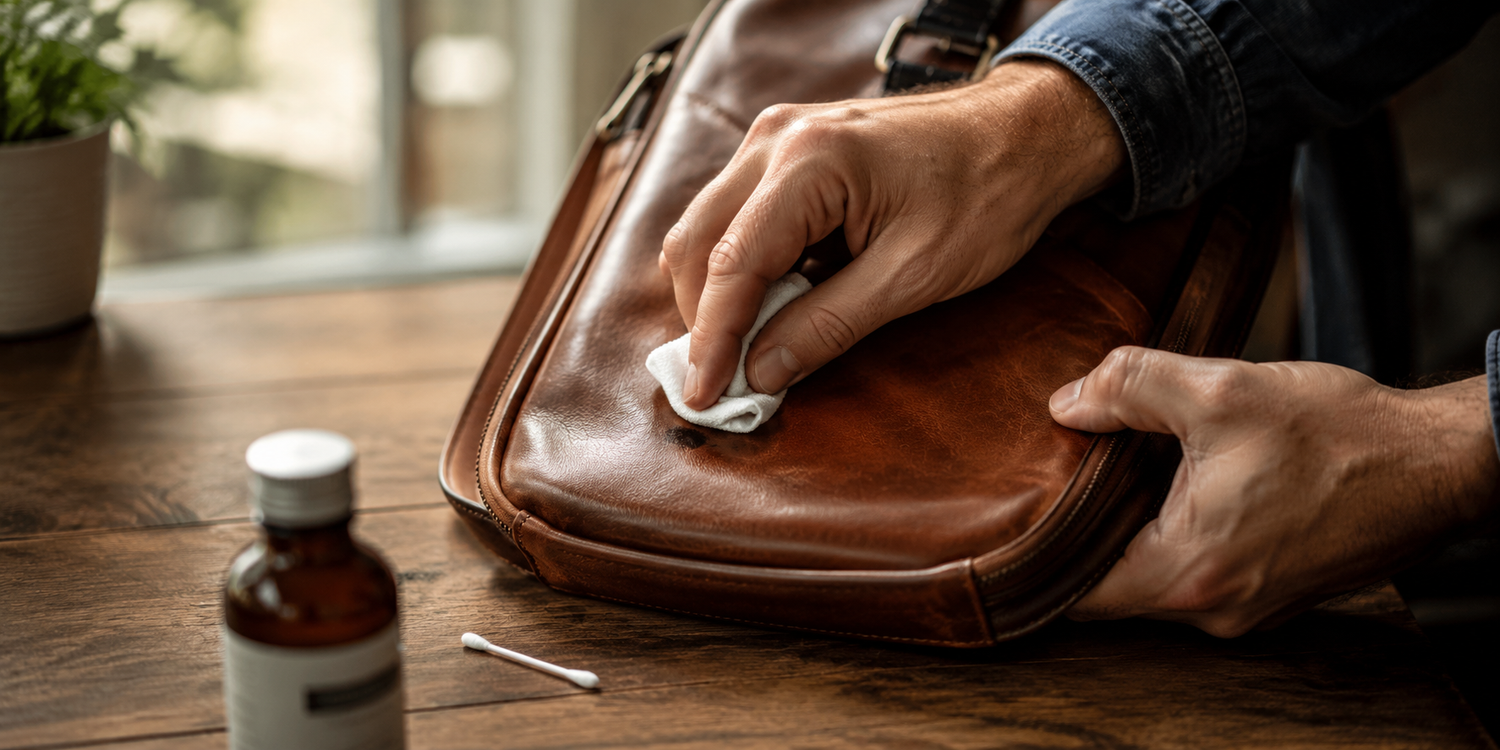
Act fast, and start gentle. Blot the fresh ink with a dry cloth (never rub), then test a drop of water on a hidden spot. If it beads, the leather is finished: try a damp cloth with mild soap first. If soap fails on finished leather, move to a cotton swab barely dampened with isopropyl alcohol, working edges to center, then condition. On unfinished, aniline or suede leather, stop and consider a professional. Never reach for vinegar, acetone, perfume or hairspray.

Why speed matters more than the method
The single biggest factor in whether ink comes out isn’t which product you use. It’s how fast you get to it. Fresh ink sits near the surface for a short window before it bonds with the dyes and fibers underneath. Within that window, even a mild treatment can lift it. Once it sets, usually within a day or so, the same stain becomes far harder to shift, and sometimes permanent.
So the first move isn’t to hunt for the perfect cleaner. It’s to grab a clean, dry cloth and blot, gently, lifting ink straight up off the surface. Blot, never rub. Rubbing is the most common mistake people make in the first thirty seconds, and it’s the worst one: it drags the ink sideways into the grain and turns a small dot into a spreading smear. Press, lift, move to a clean part of the cloth, repeat. Get as much raw ink off as you can before any liquid touches the bag.
Know your leather before you touch the ink
The reason most ink-removal advice is dangerous is that it ignores the one thing that decides everything: what kind of leather you have. The exact same alcohol that safely lifts ink off a coated briefcase will strip the color clean off an unfinished one and leave a pale ghost worse than the stain.
There’s a ten-second test that tells you which camp your bag is in. Put a single drop of water on a hidden spot, the underside of the base or inside a flap. If it beads on top, your leather is finished or pigmented, meaning it has a protective topcoat. That coat is a barrier, the ink mostly sat on the surface, and you have real room to work. If the drop soaks in and darkens within a few seconds, your leather is unfinished, aniline or pull-up: open-pored, thirsty, and far more likely to have drunk the ink deep on contact. Suede and nubuck are the most absorbent of all.
The expert read
Most modern work bags, including the genuine cowhide pieces we carry, are finished enough to handle a careful clean. The water-drop test takes the guesswork out of it. When the drop soaks in fast, treat the bag as delicate: less moisture, no harsh solvents, and a low bar for handing it to a pro instead.
What you’ll need
You don’t need a kit full of chemicals. In fact the people who do the most damage are usually the ones who reached for the strongest thing in the cabinet. For almost any ink mark, this short list covers it:
Two clean white cloths (white so no dye transfers onto the leather), one for blotting and one for drying. Cotton swabs or cotton balls for precise work on a small mark. Mild soap: a couple of drops of gentle hand or dish soap in lukewarm water. 70% isopropyl alcohol, kept in reserve as the step-up option for finished leather only. And a leather conditioner for the finishing step, because whatever lifts the ink will also pull moisture out of the leather. That’s the whole toolkit.
Good to know
Before any liquid touches the visible surface, test it on that same hidden spot from the water-drop test. Leather varies even within the same bag, and a solution that’s fine on one panel can lighten another. Thirty seconds of testing saves a permanent mistake.
How to remove ink from leather, step by step
This is the full sequence for a finished leather bag, built so each step is gentler than the one after it. Stop the moment the ink is gone: you don’t owe the leather every step on the list.
-
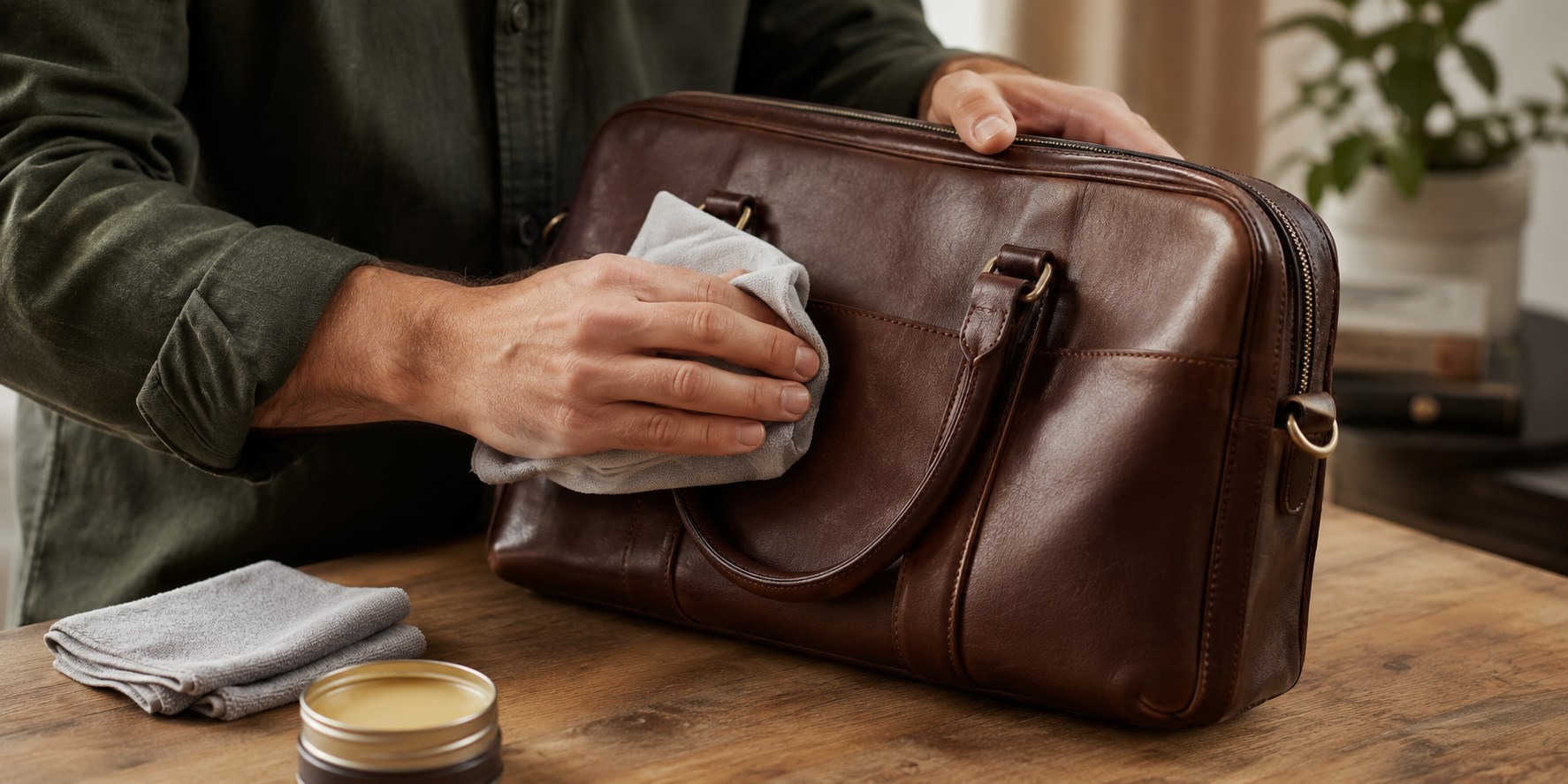
1Blot the fresh ink dryBefore anything wet, lift off the raw ink with a dry cloth. Press straight down, lift, move to a clean section, repeat. This alone often removes most of a fresh mark and keeps the rest from spreading once you add moisture.
-
2Test, then try mild soap and water firstRun the water-drop test if you haven’t. On finished leather, mix a drop of mild soap into lukewarm water, dampen a cloth and wring it almost dry, then gently dab the mark from the outside edge toward the center. Edges-to-center keeps the stain from growing. Damp, never wet.
-
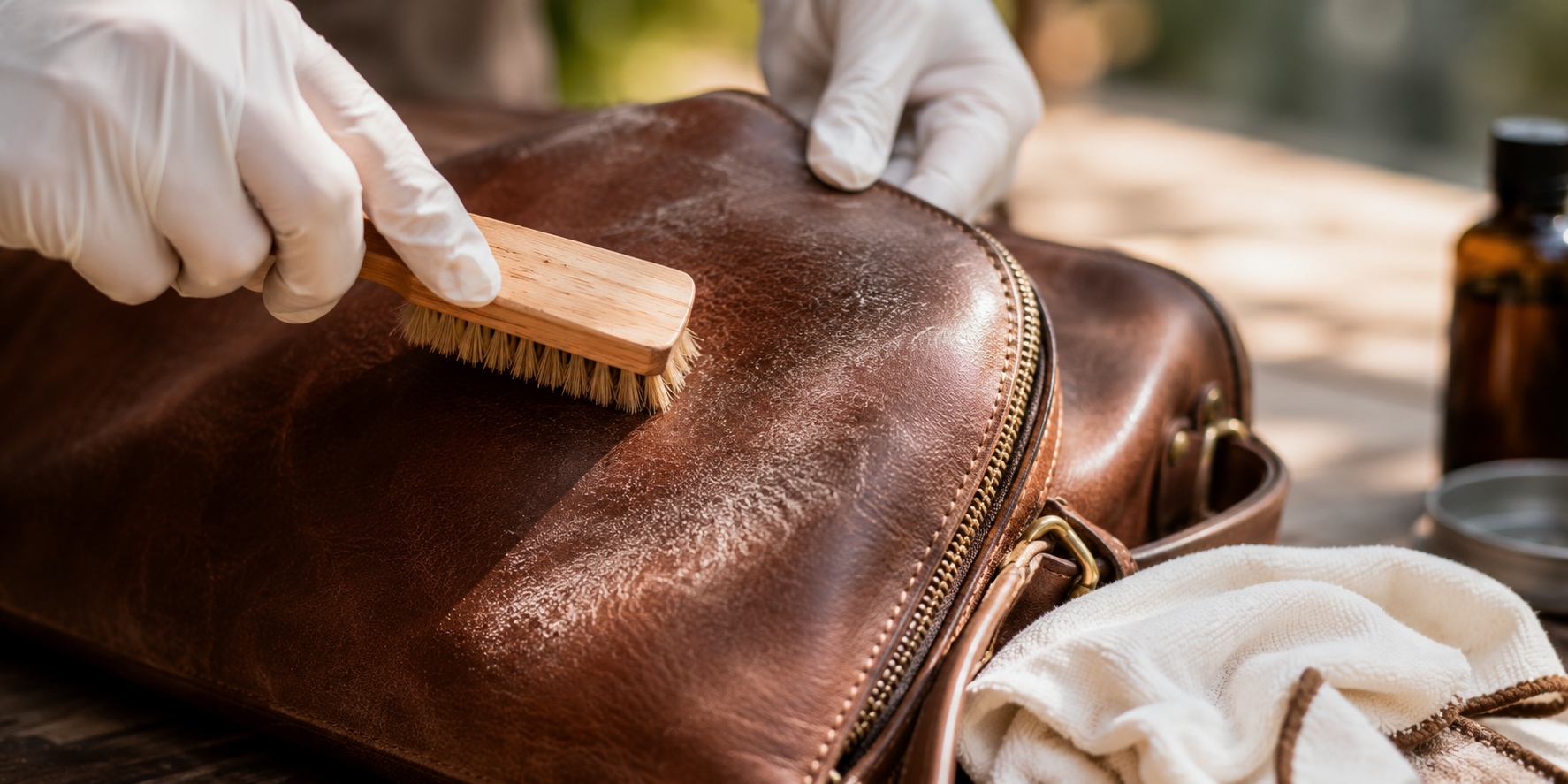
3Step up to isopropyl alcohol only if neededIf soap won’t move it and your leather is finished, dampen a cotton swab with 70% isopropyl alcohol, shake off the excess, and dab, never scrub, working edges to center. The ink should start transferring onto the swab. Switch to a fresh swab often so you’re lifting ink away, not painting it back on. Keep alcohol off unfinished, aniline, suede or nubuck leather entirely.
-
4Neutralize and dryOnce the ink is gone, wipe the area with a barely damp clean-water cloth to lift any soap or alcohol residue, then pat dry. Let the bag air-dry at room temperature, away from radiators, hair dryers and direct sun. Fast heat is what cracks leather, far more than water ever does.
-
5Condition the treated areaWhen it’s fully dry, work a thin layer of leather conditioner into the spot and a little of the surrounding leather, then buff off the excess. Anything that lifts ink also strips natural oils, so this step isn’t optional: it’s what keeps the cleaned patch from drying out and looking different from the rest of the bag.
Two things separate doing this well from making it worse. First, patience: several light passes always beat one aggressive one, because you can stop the instant the ink lifts instead of overshooting into the dye. Second, knowing when to quit. If a few careful rounds aren’t moving it, that’s information, not a reason to press harder. Harder is how a removable mark becomes a permanent one.

Ballpoint, gel and permanent ink: what changes
Not all ink behaves the same, and it’s worth knowing what you’re up against before you start.
Ballpoint ink is oil-based and the most common culprit in a bag. It grips leather fibers and can sit stubbornly, but on finished leather it usually responds to the soap-then-alcohol sequence above if you catch it reasonably fresh. Gel ink is water-based and tends to sit more on the surface at first, which means a prompt soap-and-water dab often lifts it before it sinks in. Permanent marker is the hard case: it’s designed with resins that bond to surfaces, and on leather it frequently won’t come out fully without solvents aggressive enough to risk the finish. With permanent ink on anything you care about, a light attempt is fair; forcing it usually isn’t.

Removing ink from white leather
White and pale leather follows the same sequence, but with zero margin for the heavy stuff. It shows everything, and the solvents people reach for in frustration are exactly what turns a small ink dot into a yellowed or bleached patch that’s far more obvious.
Start gentler and stay gentler: soap and water, dabbed lightly, given a couple of careful rounds. A clean white pencil-style eraser can help nudge a small surface mark on finished white leather. What you want to resist is escalating fast: on white leather, a faded ring from over-applied alcohol is often a worse outcome than the original stain, and it’s the one home treatment that truly can’t be undone at the kitchen table. If gentle methods stall, white leather is the clearest case for professional help.
Ink on crazy horse leather
Crazy horse leather is its own conversation, and almost no guide tells you why. It’s a heavily waxed pull-up leather, and that wax layer changes how ink behaves. A surface mark often hasn’t reached the leather at all yet, so the move is the opposite of scrubbing: warm the wax with your fingers or a soft dry cloth and work it gently over the mark, and a fresh, shallow ink scuff can simply blend back into the finish. Because crazy horse is built to take marks and shift tone as it ages, a small ink scuff frequently reads as just one more part of the character rather than a stain to fight.
What you don’t want is to hit crazy horse with alcohol or solvents, which cut straight through the wax and leave a dull, flattened spot that stands out more than the ink did. For this leather, genuinely less is more. We go deeper into how it ages in our guide to what crazy horse leather is and why it lasts.

The Ridgeway Case
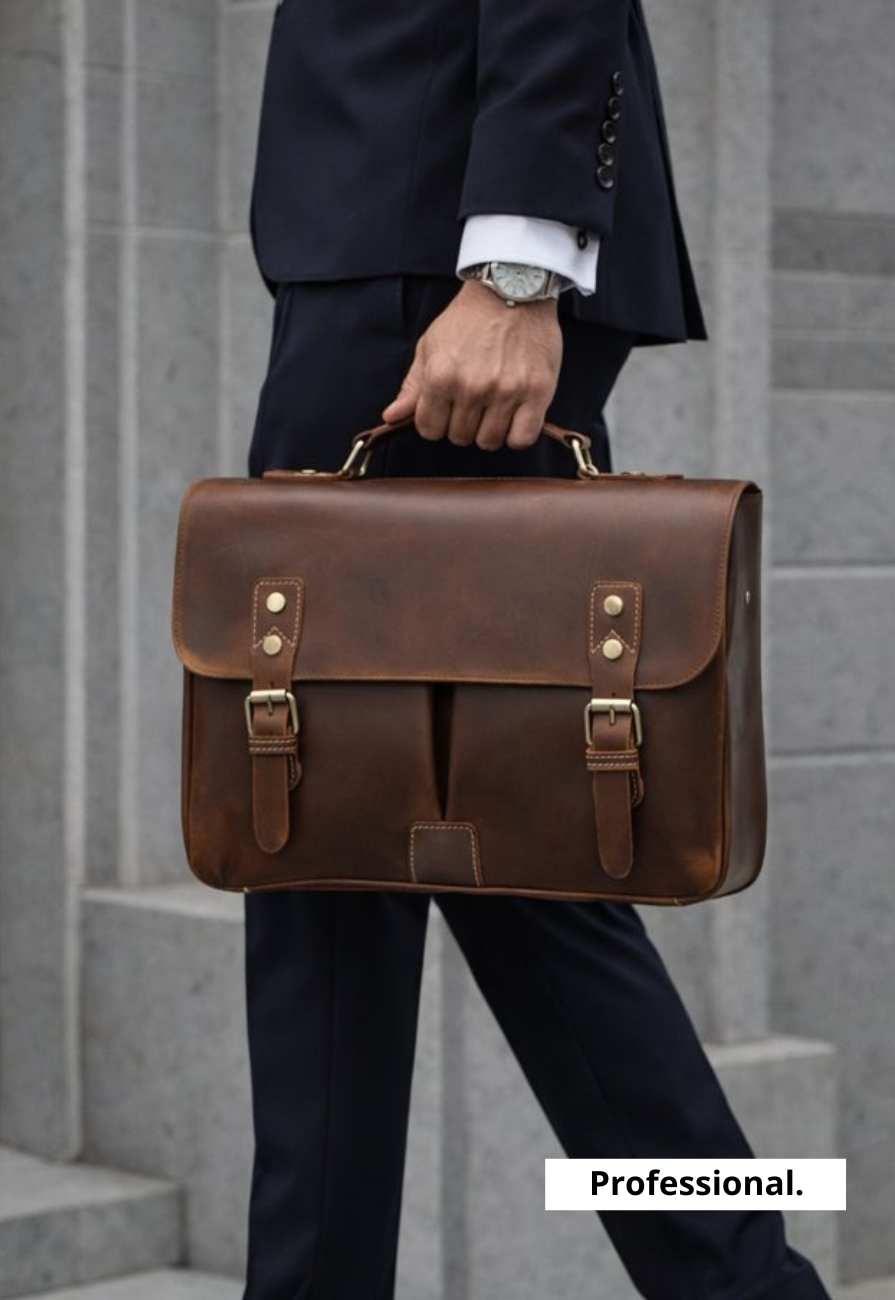
A structured crazy horse briefcase for daily work carry. The waxed genuine cowhide is forgiving by nature: scuffs and small marks tend to buff back in with a dry cloth rather than needing a cleaner, which is exactly why it’s one of the easiest bags we sell to live with.
The “hacks” that quietly ruin leather
Here’s where this guide parts ways with most of the search results. Half the “tricks” you’ll read are recommended freely by people who should know better, and several cause damage that’s worse and more permanent than the ink. These are the ones to leave alone.
If you take one thing from this section: the strength of a cleaner is not the same as its safety on leather. Vinegar, acetone and perfume all feel like they’re doing something because you can smell them working, but what they’re often working on is the leather itself, not just the ink. Start with the mildest thing that can plausibly succeed, and let the leather, not your frustration, set the pace.
Conditioning after the ink comes off
Getting the ink out is only half the job. Soap and alcohol both strip the natural oils that keep leather supple, so the cleaned spot is left drier than the leather around it. Skip conditioning and that patch can end up looking and feeling different, sometimes more noticeable than the original mark. Think of cleaning and conditioning as one job in two halves.
You don’t need anything exotic, but a dedicated leather conditioner beats anything from the kitchen. A reliable, widely available US option is Leather Honey, a non-toxic, family-made formula that’s been a best-seller for years. Apply it thin, test first, and buff off the excess.
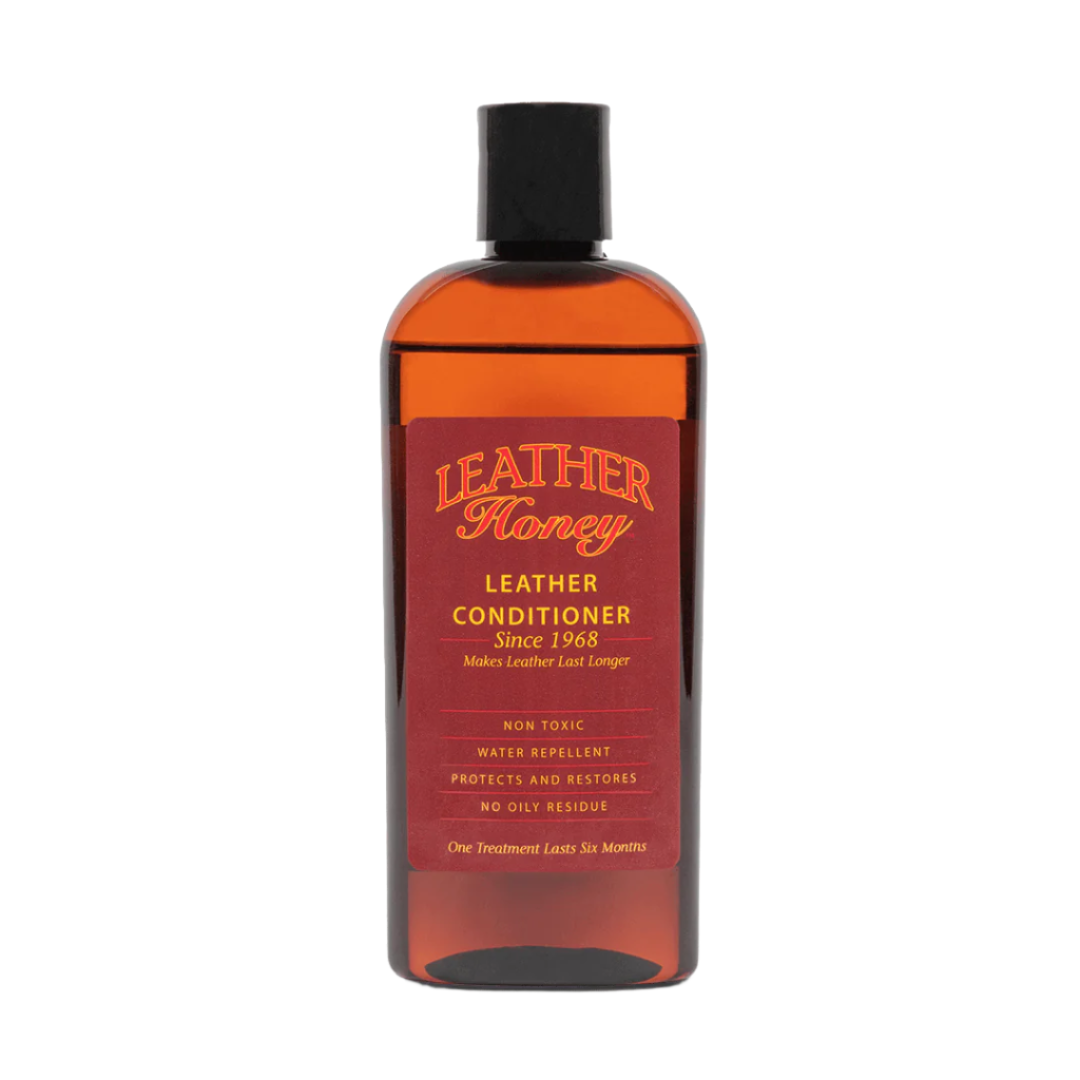
A dedicated leather conditioner
After lifting ink, a proper conditioner replaces the oils the cleaner stripped and keeps the treated spot from drying out. A non-toxic, US-made option like Leather Honey works on most smooth, finished leathers, applied thin, tested first, and buffed off.
If your bag is a lighter, more natural or untreated leather (the kind that drank up the water-drop test), reach for something gentler so the conditioner itself doesn’t darken it. Chamberlain’s Leather Milk is a water-based, all-natural liniment that conditions without the heavier feel of a wax-rich cream, which makes it the safer pick on pale or aniline leather.
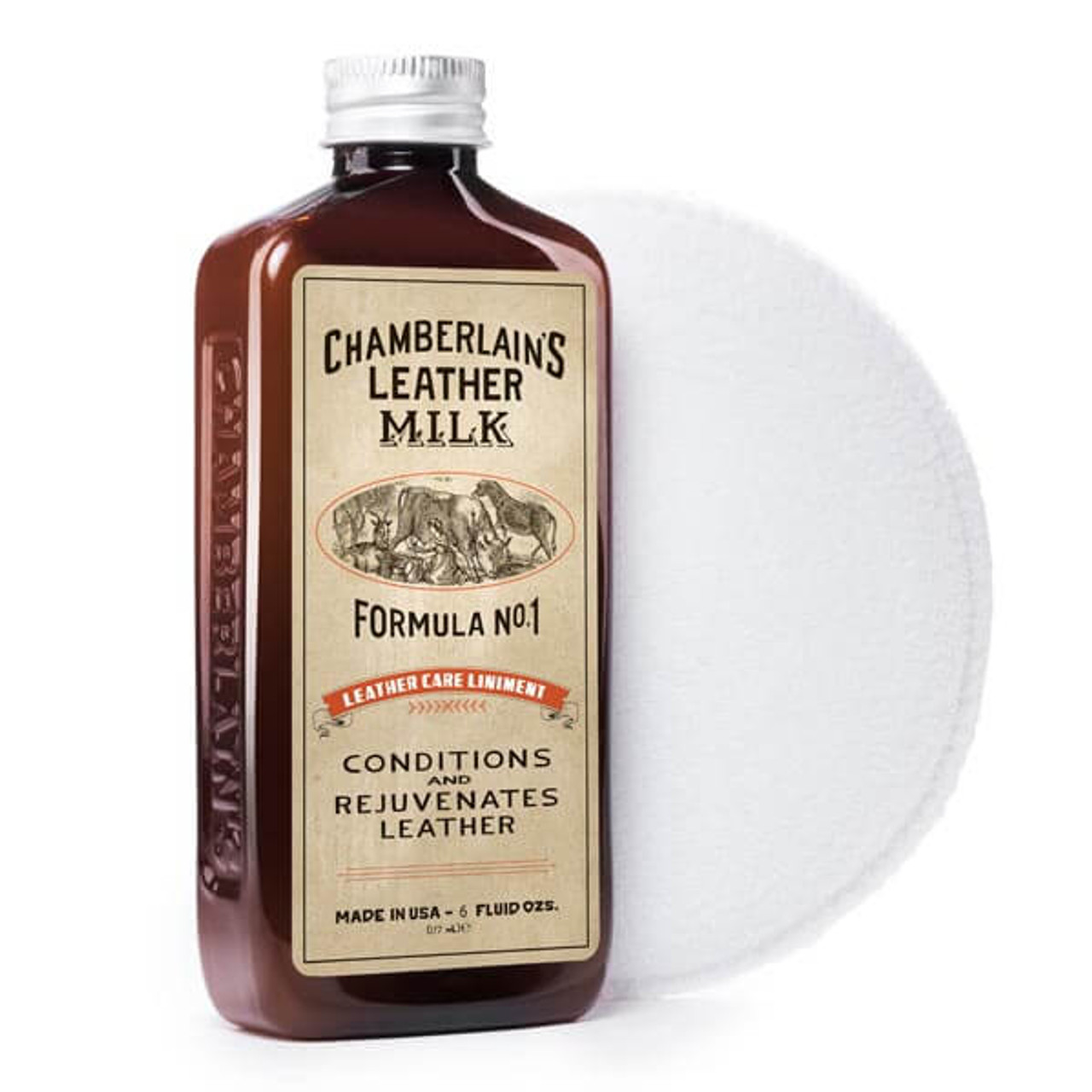
A gentle leather milk
A water-based, all-natural conditioning liniment that absorbs gently, the safer choice on pale, aniline or unfinished leather that a heavier cream might darken. Made in the USA, used by fine leather makers.
Keeping ink off your bag in the first place
The easiest ink stain to remove is the one that never happens, and prevention here is almost embarrassingly simple. The overwhelming majority of ink-in-a-bag disasters come from one thing: a loose pen rolling around in the main compartment with its cap off or its retractable tip out. Fix that and you’ve fixed most of the risk.
Use capped or fully retractable pens, and better yet, keep them out of the open compartment entirely. A bag with dedicated pockets and pen slots gives writing instruments a fixed home, away from the main lining where a leak would do the most damage. It’s the same logic that keeps a loose pen from ever finding your shirt pocket: give it a place to live, and it stops causing trouble.
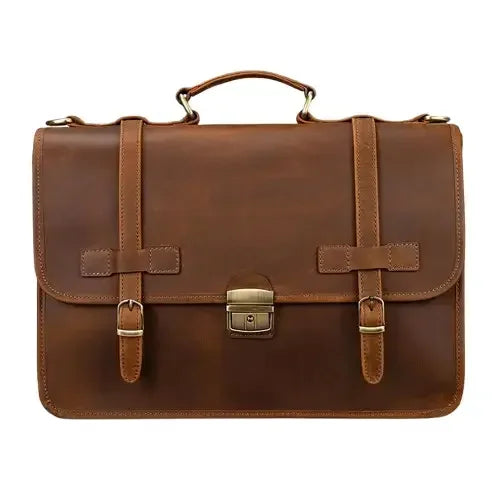
The Kingsrow Attaché
A structured genuine leather briefcase with multiple compartments and organized interior pockets, so pens, cables and small leak-prone items get their own home away from the main lining. The kind of layout that prevents the loose-pen disaster in the first place.
One more quiet prevention win: leather that’s finished and well kept simply resists ink better. A pigmented or finished surface gives the ink a barrier to sit on instead of pores to sink into, which is the difference between a quick wipe and a permanent stain. It’s part of why we lean toward finished genuine leather across the catalog, the kind that takes daily life, ink scares included, in stride.
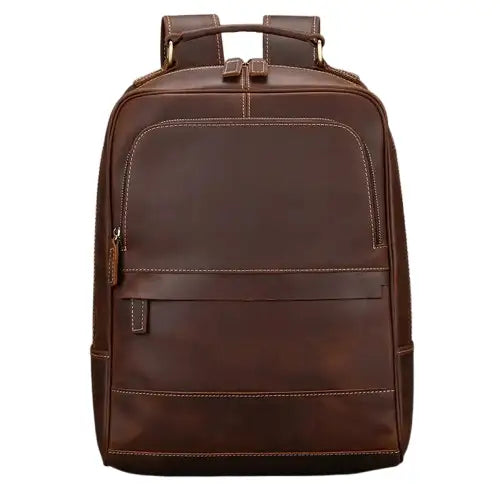
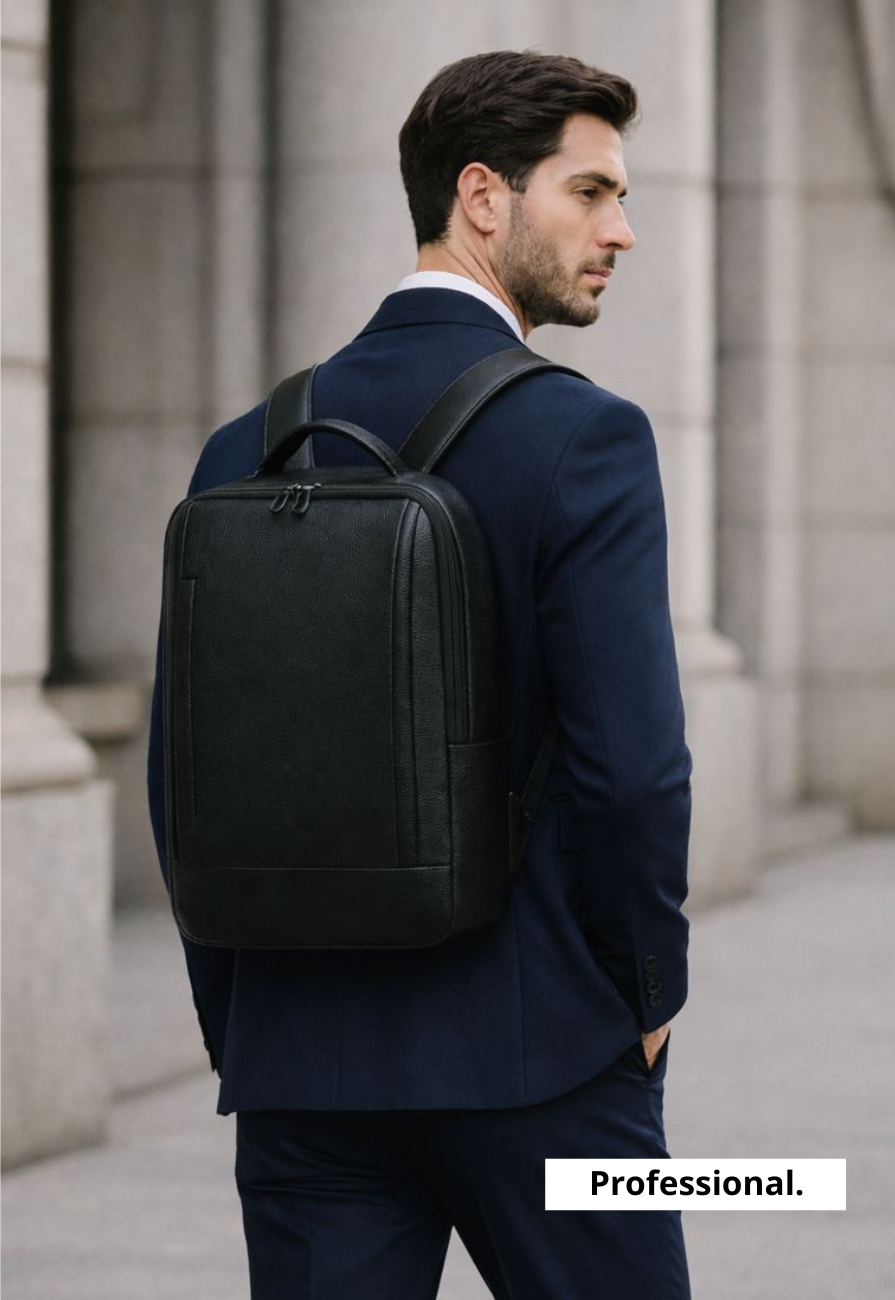
The Heritage Craft Backpack
A refined genuine leather backpack with a smooth, finished surface that gives spills and ink a barrier to sit on rather than pores to soak into. Built for daily commuting, with the kind of leather that wipes up easily and deepens in color as it ages.
When to stop and call a professional
Knowing when not to keep going is part of doing this well. Some ink jobs are simply beyond a kitchen-table fix, and pushing them is how a repairable bag becomes a ruined one. Hand it to a leather professional when the ink is deep or set for more than a day, when the bag is unfinished, aniline, suede or nubuck, when it’s a valuable or vintage piece you can’t risk, or when permanent marker is involved on anything you care about.
A specialist has solvents and color-matching that don’t exist in a home cabinet, and the cost of professional treatment is almost always less than the cost of replacing a good bag you bleached trying to save fifty dollars. There’s no shame in it. The honest expert move is recognizing the line before you cross it.
The honest trade-off
Even done perfectly, ink removal isn’t always a clean win. On absorbent leather the ink may have set permanently, and on finished leather an aggressive treatment can leave a faintly lighter spot where the finish thinned. Sometimes the better outcome is a small mark that fades into the patina over time rather than a bigger pale patch from over-treating. Knowing which battle to fight is most of the skill.
What you’ll notice
When it works, the mark lifts in stages: lighter with each careful pass, then gone, and after conditioning the spot blends back in so you can’t tell where it was. The leather feels suppler under your thumb again where the cleaner had briefly dried it. That clean return, no halo, no stiff patch, is the whole goal, and it’s why the gentle, patient route beats the aggressive one almost every time.
The same care that gets a bag through an ink scare is what lets good leather develop a rich patina over the years. And once the immediate panic is handled, it’s worth knowing the full routine for keeping leather in good shape: our guide on how to clean a leather bag the right way covers the everyday version of everything here.
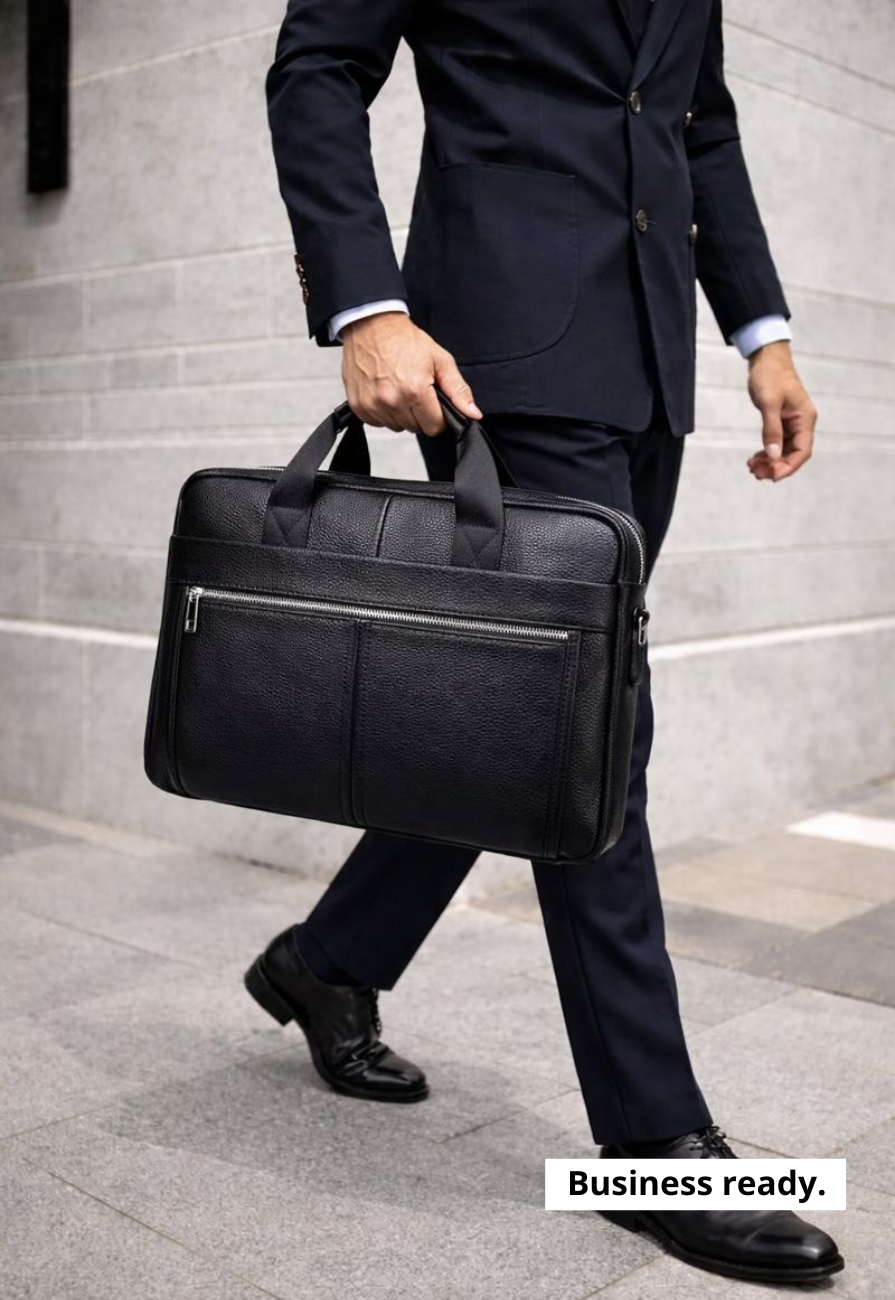
 Leather briefcases
Structured work bags with a finished surface that wipes up easily.
 Leather backpacks
Everyday genuine leather carry that takes daily life in stride.
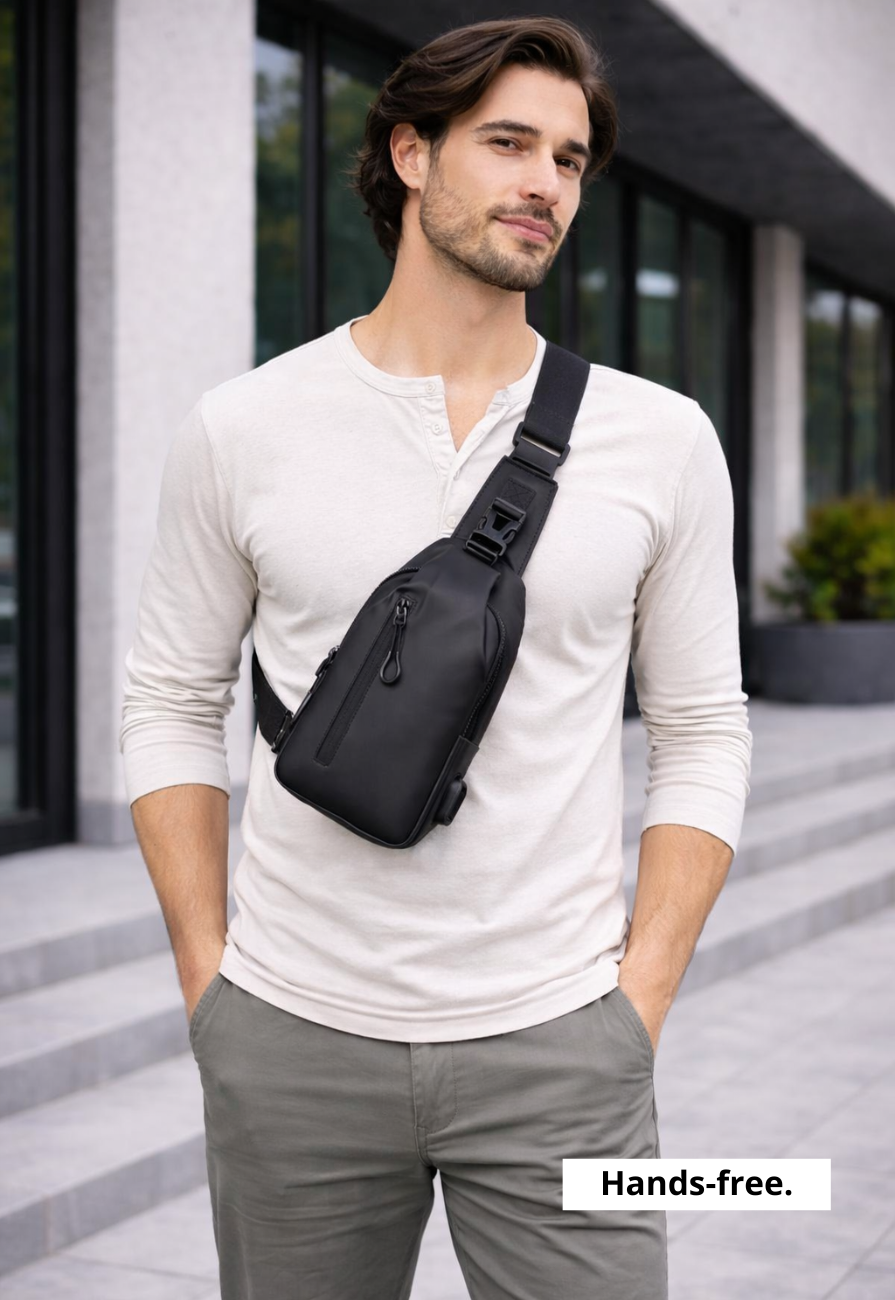
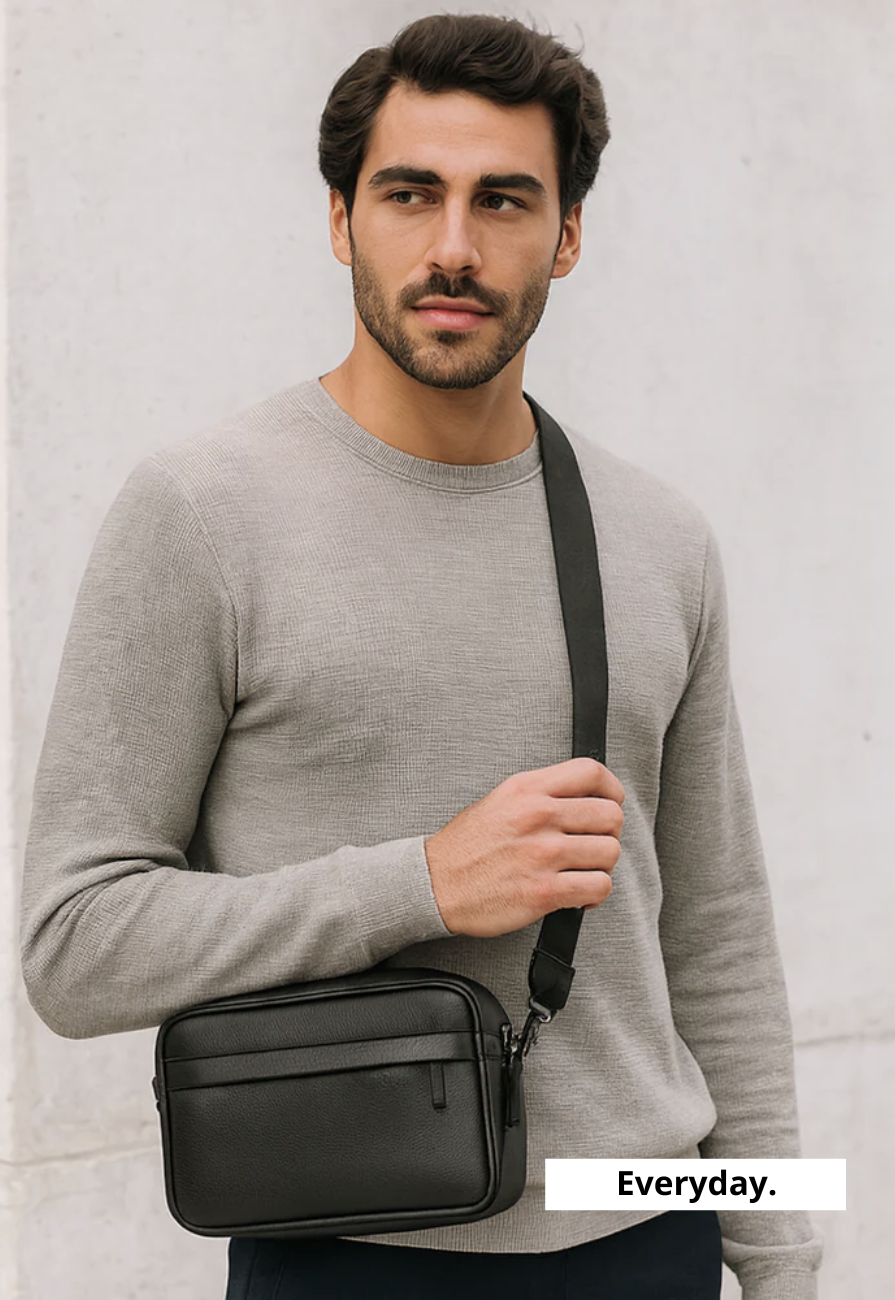
 Messenger bags
Hands-free carry with leather details worth keeping clean.
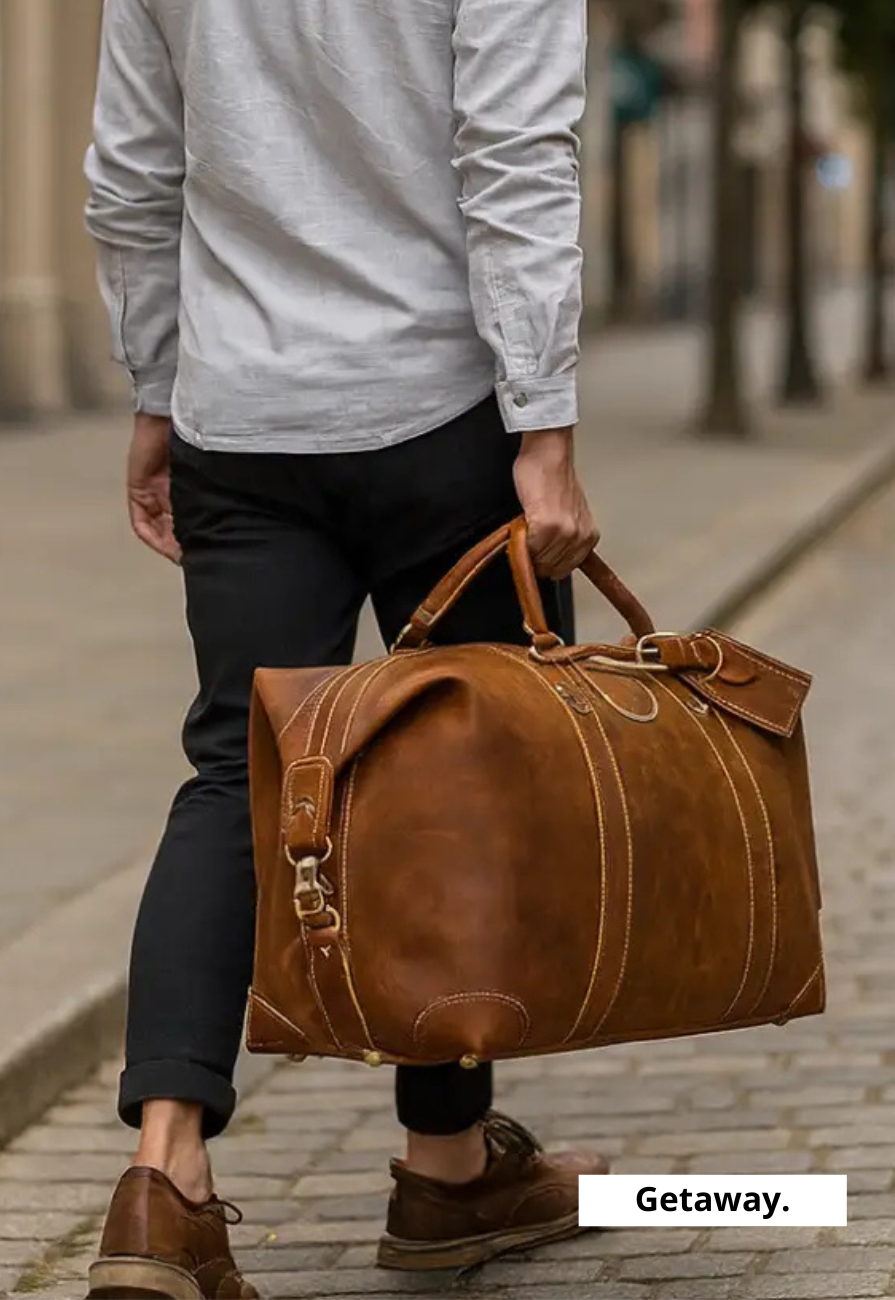
 Leather duffles
Weekend leather that travels well and cleans up easily.
Frequently asked questions
How do you get ink out of leather?+
Act fast and start gentle. Blot the fresh ink with a dry cloth without rubbing, then test a hidden spot with a drop of water. On finished leather, try a cloth dampened with mild soap and water first, working edges to center. If that fails, step up to a cotton swab barely dampened with 70% isopropyl alcohol, then condition the area. On unfinished, aniline or suede leather, skip the solvents and consider a professional.
Does rubbing alcohol remove ink from leather?+
It can, on finished leather, used sparingly. Dampen a cotton swab with 70% isopropyl alcohol, dab gently edges to center, and switch swabs often so you lift ink rather than spread it. Alcohol also strips the finish and natural oils, so it can leave a lighter patch on unfinished, aniline, suede or dyed leather. Always test a hidden spot first, and condition afterward.
How do you remove ballpoint pen ink from leather?+
Ballpoint ink is oil-based and grips the fibers, but on finished leather it usually responds to the standard sequence: blot dry, try mild soap and water, then a careful isopropyl alcohol dab if needed, working from the outside of the mark inward. Catch it fresh for the best result, and condition the spot once the ink is gone.
Can you remove ink from leather with vinegar?+
It’s best avoided. Vinegar is acidic and can dull the finish and lighten dyed leather, especially in mid and dark tones, so you risk trading an ink mark for a faded patch. Mild soap and water, then a cautious alcohol dab on finished leather, are safer and more controllable. Save vinegar for surfaces it won’t damage.
Is ink permanent on leather?+
Not always. Fresh ink on finished leather often lifts cleanly if you treat it quickly. Ink that has soaked into unfinished or aniline leather, or set for more than a day, can be permanent, and permanent-marker ink is the hardest of all. When the leather is absorbent or the mark is old, a professional has the best chance, and sometimes letting a faint mark fade into the patina beats over-treating it.
How do you get ink off a white leather bag?+
Use the gentlest approach and resist escalating. Soap and water dabbed lightly, given a couple of careful rounds, handles most fresh marks; a clean white eraser can nudge a small surface mark on finished white leather. Avoid alcohol and solvents, since a bleached or yellowed ring on white leather is often worse and harder to fix than the ink. If gentle methods stall, white leather is the clearest case for a professional.
Will conditioner remove ink from leather?+
No, conditioner isn’t an ink remover. Its job comes after: once the ink is lifted with soap or alcohol, a thin layer of leather conditioner replaces the oils the cleaning stripped and keeps the treated spot from drying out or looking different from the rest of the bag. Apply it thin, test first, and buff off the excess.
How do you remove ink from crazy horse leather?+
Less is more. Crazy horse is heavily waxed, so a fresh surface scuff of ink often blends back in if you warm the wax with your fingers or a soft dry cloth and work it gently over the mark. Avoid alcohol and solvents, which cut through the wax and leave a dull flattened spot that stands out more than the ink. For this leather, a light touch and a little patience usually do it.



Leave a comment
This site is protected by hCaptcha and the hCaptcha Privacy Policy and Terms of Service apply.